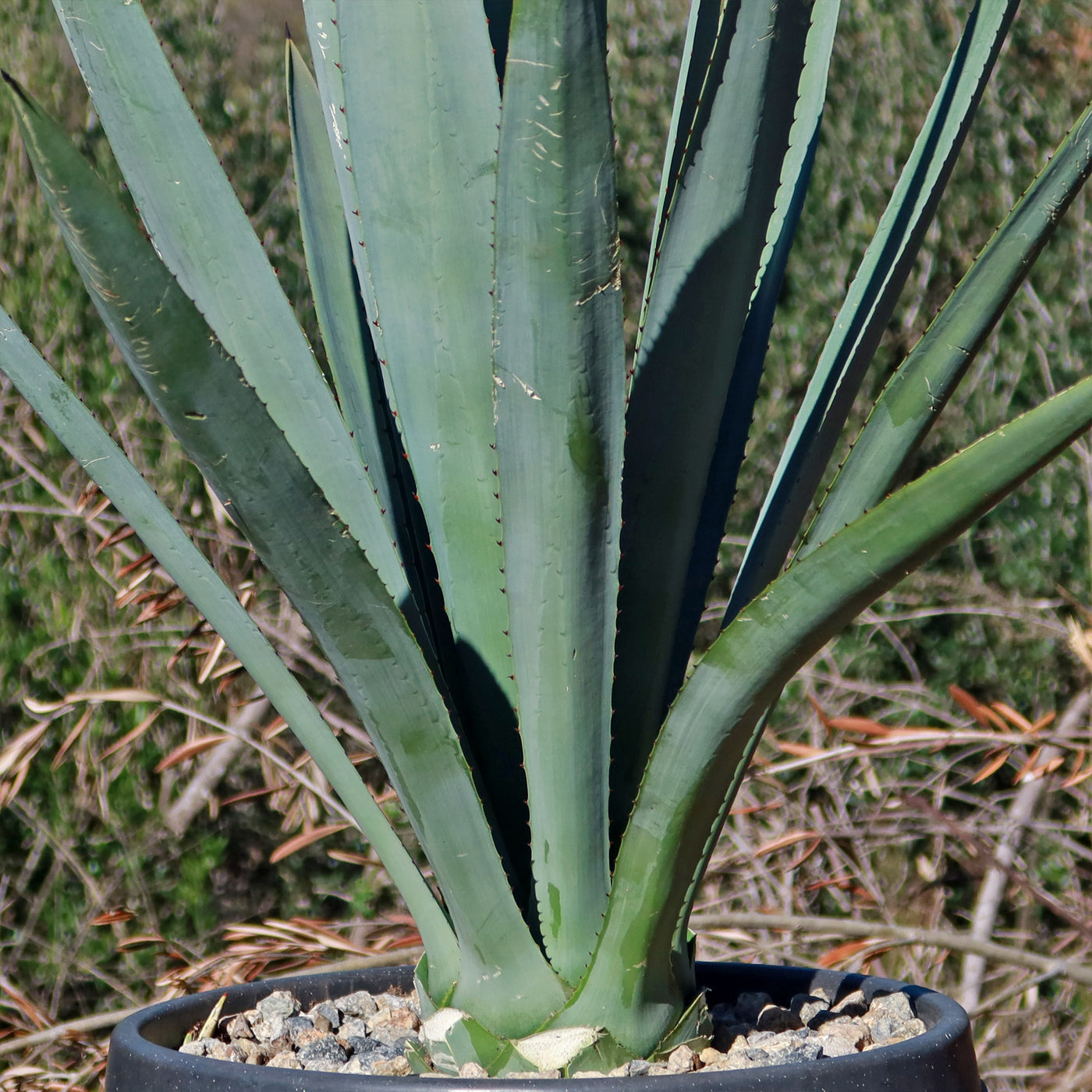

The Blue Agave Plant, scientifically known as Agave tequilana, is a succulent aborigine to the desiccate regions of Mexico. This plant is renowned for its role in the product of tequila, a popular spirit savor worldwide. The Blue Agave Plant is not only significant for its economic value but also for its unique characteristic and ecological importance. This blog post dig into the engrossing world of the Blue Agave Plant, exploring its refinement, utilize, and environmental encroachment.
The Blue Agave Plant: An Overview
The Blue Agave Plant is a repeated succulent that expand in the hot, dry climates of Mexico. It is characterized by its rosette of fleshy, blue-green leafage that can grow up to 1.5 meters in duration. The plant typically take 8 to 12 days to maturate, at which point it make a grandiloquent flower spike that can gain up to 4 meters in height. This spike is adorned with xanthous peak that pull various pollinators, include at-bat and hummingbirds.
The Blue Agave Plant is chiefly cultivated for its sap, which is rich in loot and is used to make tequila. The procedure affect harvesting the nucleus of the works, known as the "piña", which is then cooked, fermented, and distill to make the terminal product. The quality and flavor of tequila are heavily mold by the terroir, the specific variety of Blue Agave, and the distillation methods utilize.
Cultivation of the Blue Agave Plant
Educate the Blue Agave Plant necessitate heedful care to soil, mood, and water management. Here are the key steps regard in the polish process:
- Soil Formulation: The Blue Agave Plant prefers well-drained, arenaceous soil with a pH between 6.0 and 7.5. The grunge should be gratis of weeds and other competing plants.
- Planting: Agave plants are typically propagate from offshoot or "pups" that turn at the groundwork of the mother works. These whelp are carefully secern and plant in prepared beds or fields.
- Tearing: Young plants require regular watering to establish a potent root system. Notwithstanding, once shew, the Blue Agave Plant is drought-tolerant and need minimal watering.
- Impregnation: Agave plant benefit from episodic fecundation with a balanced, slow-release fertiliser. This helps promote healthy maturation and increase the moolah message of the piña.
- Pest and Disease Management: The Blue Agave Plant is relatively resistant to pests and disease. Withal, it can be affected by agave hooter weevils and fungous infections. Regular monitoring and appropriate handling are essential to maintain works health.
🌱 Billet: Proper soil preparation and water management are crucial for the successful culture of the Blue Agave Plant. Overwatering can result to root rot, while underwatering can stunt growth.
Uses of the Blue Agave Plant
The Blue Agave Plant has a miscellanea of exercise beyond tequila product. Its fibers, sap, and leaves are utilized in different industries. Hither are some of the key uses:
- Tequila Product: The main use of the Blue Agave Plant is in the product of tequila. The piña is reap, fix, and ferment to produce this democratic feel.
- Fiber Production: The fibers from the leaves of the Blue Agave Plant are used to make ropes, matting, and cloth. These roughage are strong and long-wearing, making them ideal for various application.
- Medicinal Uses: The sap of the Blue Agave Plant has been used traditionally for its medicinal belongings. It is believed to have anti-inflammatory and antimicrobial effects and is used to treat wounds and skin conditions.
- Landscaping: The Blue Agave Plant is also popular in landscape due to its attractive appearance and drought tolerance. It is often used in xeriscaping and desert garden.
Environmental Impact of the Blue Agave Plant
The polish of the Blue Agave Plant has both positive and negative environmental impact. Understanding these impacts is essential for sustainable recitation.
The Blue Agave Plant play a essential part in supporting local ecosystem. Its peak cater ambrosia for pollinator, and its foliage proffer habitat for various worm and small animals. Additionally, the plant helps foreclose grease erosion and improves soil health through its extensive source scheme.
Yet, the intensive cultivation of the Blue Agave Plant for tequila product can have negative environmental outcome. Large-scale monoculture plantation can lead to soil debasement, water depletion, and loss of biodiversity. The use of pesticide and fertilizers can also pollute local water sources and harm wildlife.
To mitigate these impacts, sustainable farming practices are essential. These include:
- Crop Rotation: Revolve crops help keep soil natality and reduces the risk of pests and diseases.
- Organic Farming: Apply organic fertilizers and pest control method belittle environmental pollution.
- Water Management: Effective water management practice, such as drip irrigation, help conserve water and trim waste.
- Biodiversity Conservation: Maintain natural habitat and promoting biodiversity within agave plantations endorse local ecosystems.
🌿 Note: Sustainable husbandry practices are crucial for the long-term viability of Blue Agave Plant culture and the saving of local ecosystems.
Economic Importance of the Blue Agave Plant
The Blue Agave Plant is a significant economic driver in Mexico, particularly in the regions where tequila is produce. The tequila industry generates zillion of buck in taxation yearly and back chiliad of jobs. The cultivation, harvest, and processing of the Blue Agave Plant render engagement chance for local community, contributing to economical growing.
The economical importance of the Blue Agave Plant broaden beyond tequila product. The works's fibre, sap, and leaf are use in various industry, create extra economic opportunity. The exportation of agave-based products, such as cloth and medicative infusion, farther advance the economy.
However, the economical benefits of the Blue Agave Plant must be equilibrate with environmental sustainability. Over-exploitation of the plant for commercial-grade intention can lead to depletion of natural resources and environmental degradation. Sustainable practices and regulations are essential to ensure the long-term economic viability of the Blue Agave Plant industry.
Cultural Significance of the Blue Agave Plant
The Blue Agave Plant holds deep ethnical significance in Mexico. It has been utilize for century by autochthonic community for various purposes, include medicinal, ritualistic, and virtual applications. The works is often featured in traditional ceremonies and celebration, symbolizing posture, resilience, and the connexion to the soil.
In modernistic times, the Blue Agave Plant continues to be an important ethnic symbol. It is fete in festivals and events, such as the Day of the Dead, where agave-based production are use in offer and ritual. The plant's ethnic significance is also reverberate in art, lit, and music, where it is often depicted as a symbol of Mexican identity and inheritance.
The cultural significance of the Blue Agave Plant is closely tied to its economical and environmental importance. Preserving the plant's cultural inheritance is indispensable for maintaining its ecologic and economical value. Try to advertise sustainable drill and protect the flora's natural habitats are crucial for continue its cultural significance for succeeding generations.
Challenges and Future Prospects
The cultivation and use of the Blue Agave Plant face several challenge, including environmental degradation, economic press, and cultural shifts. Direct these challenges ask a holistic attack that regard the plant's bionomic, economic, and ethnical dimensions.
One of the chief challenge is the environmental impact of large-scale agave plantations. Sustainable agriculture practices, such as crop rotation, organic farming, and h2o direction, are essential for mitigating these wallop. Additionally, endeavour to conserve natural habitat and promote biodiversity within agave plantations can help support local ecosystem.
Economic pressures, such as fluctuate marketplace demand and contest from other crop, also pose challenge for agave husbandman. Radiate agave-based production and promoting sustainable practices can help ensure the long-term economical viability of the industry. Back local communities and cater teaching and training opportunities can farther enhance the economic benefit of agave cultivation.
Ethnic transformation and vary consumer preferences also present challenge for the Blue Agave Plant. Boost the works's ethnical import and educate consumer about its welfare can help save its ethnical heritage. Supporting traditional practices and endorse local artisans can further raise the plant's ethnical value.
Appear forwards, the future of the Blue Agave Plant is foretell. With increased cognisance of its bionomic, economic, and ethnic importance, there is grow interest in sustainable practices and preservation endeavour. By addressing the challenge and chance, the Blue Agave Plant can proceed to prosper, profit both local community and the environment.
🌱 Tone: Speak the challenge look the Blue Agave Plant requires a holistic approach that consider its bionomical, economical, and ethnical dimension. Sustainable practices and preservation endeavor are essential for assure the plant's long-term viability.

Blue Agave Plant Varieties
The Blue Agave Plant has several motley, each with unique characteristic and uses. Understanding these miscellanea can aid in select the rightfield flora for specific intent. Here are some of the most common varieties:
| Variety | Characteristics | Exercise |
|---|---|---|
| Agave tequilana Weber var. azul | Blue-green folio, grandiloquent flower ear, high lolly message | Tequila production, landscaping |
| Agave tequilana Weber var. verde | Unripe leafage, shorter bloom ear, low-toned sugar message | Landscape, fiber production |
| Agave tequilana Weber var. blanca | White leaves, succinct growth, low saccharide substance | Landscape, medicative purpose |
The Blue Agave Plant is a versatile and worthful coinage with a rich chronicle and ethnic import. Its cultivation and use have evolved over hundred, adapting to changing environmental, economic, and cultural landscape. By see the plant's characteristics, use, and challenge, we can assure its continued viability and welfare from its many vantage.
to resume, the Blue Agave Plant is a singular species with a wide ambit of application and ethnical signification. From its role in tequila product to its medicinal and landscaping role, the Blue Agave Plant continue to be an crucial part of Mexican culture and economy. By encourage sustainable pattern and preservation efforts, we can ensure that this valuable plant thrives for generations to get. The Blue Agave Plant's ecological, economic, and ethnic importance makes it a vital part of Mexico's natural and ethnical inheritance, deserving of our attention and care.
Related Term:
- depressed agave halt pina
- blue agave plant benefits
- blue agave flora expiry
- blue agave sirup
- blue agave plant abode depot
- blue agave plant for tequila