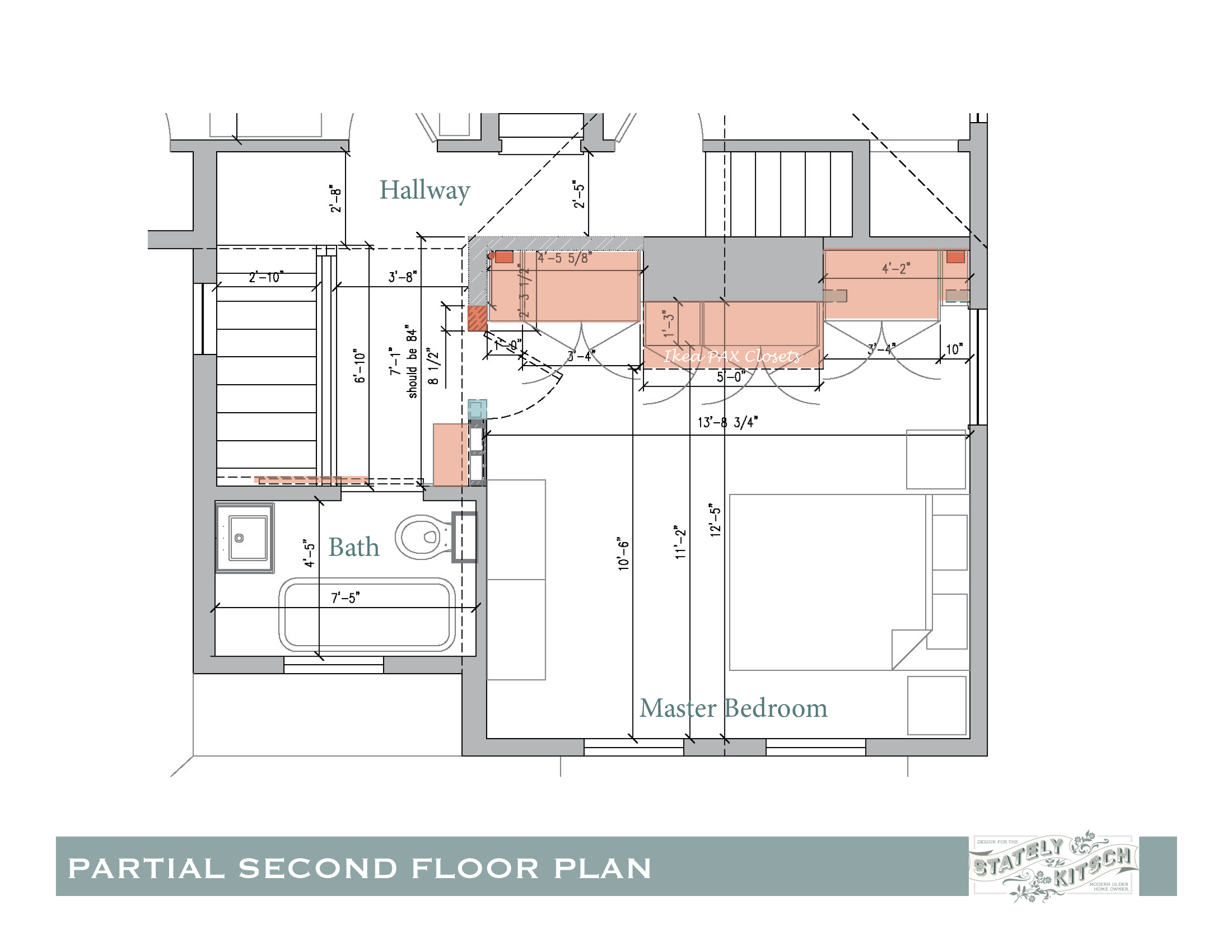

Designing a home or role space involves numerous circumstance, one of which is the average hallway breadth. This often-overlooked aspect can importantly affect the functionality and aesthetics of a edifice. Understanding the importance of hall width and how to optimise it can enhance the overall design and serviceability of any space.
Understanding the Importance of Hallway Width
The average hall breadth is a critical divisor in both residential and commercial-grade spaces. It affects not only the flow of traffic but also the refuge and consolation of occupier. A well-designed hall can create a space flavor more open and inviting, while a badly designed one can make a sense of claustrophobia and hinder movement.
When mold the ordinary hall width, several factors get into drama:
- Traffic Flowing: The number of citizenry who will be expend the hallway at any give clip.
- Furniture and Decor: The position of furniture, decor, and other particular that may obstruct the hallway.
- Safety: Ensuring there is decent infinite for pinch egress and accessibility for individuals with disabilities.
- Aesthetics: The ocular charm of the hallway, include the use of lighting, coloring, and cloth.
Standard Hallway Widths
The mean hall breadth can vary count on the type of building and its intended use. However, there are some general guidelines that can be follow to ensure a comfortable and functional infinite.
For residential buildings, the standard mediocre hall width is typically between 36 to 48 inches (91 to 122 cm). This scope allows for easy motion and the transition of furniture. In commercial-grade edifice, the average hall breadth is oft panoptic, ranging from 48 to 60 inches (122 to 152 cm), to accommodate heavy foot traffic and the movement of equipment.
It's important to mention that these are just guidelines, and the specific motive of a building may take registration. for illustration, a hallway that function as a master thoroughfare in a commercial-grade edifice may need to be across-the-board than the standard 60 inches to accommodate the flowing of people and equipment.
Designing for Accessibility
When designing hallway, it's all-important to consider accessibility for individuals with disabilities. The Americans with Disabilities Act (ADA) ply guideline for hallway widths to ensure that people with mobility impairments can navigate the space safely and well.
The ADA recommends a minimal hall width of 36 in (91 cm) for residential buildings and 42 inches (107 cm) for commercial buildings. Nevertheless, it's much beneficial to outgo these minimum to provide more infinite for manoeuvrability and to accommodate wheelchair, walkers, and other assistive devices.
besides width, other factors to reckon for accessibility include:
- Door Clearance: Ensuring that threshold can open amply without obstructing the hallway.
- Become Radius: Providing decent space for a wheelchair to become around comfortably.
- Lighting: Adequate lighting to ensure visibility and refuge.
- Non-Slip Surface: Exploitation materials that provide good traction to forbid slips and falls.
Optimizing Hallway Width for Different Spaces
The average hallway width can alter significantly depending on the type of space and its intended use. Here are some considerations for different eccentric of construction:
Residential Hallways
In residential settings, the mediocre hall width is typically narrower than in commercial-grade space. However, it's however important to ensure that the hall is wide-eyed enough to accommodate furniture and permit for leisurely movement. Some tips for optimise residential hallway width include:
- Use of Mirror: Placing mirrors on the paries can make the semblance of a wider hallway.
- Lighting: Adequate lighting can make a hallway tone more spacious and inviting.
- Entrepot Solutions: Incorporating built-in storage or shelving can help maintain the hall clutter-free and maximize space.
Commercial Hallways
In commercial scope, the mediocre hallway width is oftentimes wider to fit heavier foot traffic and the movement of equipment. Some tips for optimise commercial-grade hallway width include:
- Wayfinding: Clear signage and directive cues can help guide people through the space and trim over-crowding.
- Seating Areas: Provide invest areas can assist reduce foot traffic in hallways and make a more comfortable surroundings.
- Emergency Emergence: Ensuring that hall are panoptic enough to let for nimble and safe excreting in case of an emergency.
Public Spaces
In public infinite such as schools, hospital, and governing buildings, the average hall breadth is frequently wider to fit large numbers of people and ensure guard. Some steer for optimizing public hall width include:
- Accessibility: Ensuring that hallways are wide enough to suit wheelchairs, strollers, and other assistive device.
- Fire Safety: Furnish open pathway for exigency emergence and ensuring that hallways are complimentary of obstructions.
- Racket Reducing: Exploitation material that absorb sound can help trim noise stage and create a more comfortable environment.
Common Mistakes to Avoid
When contrive hallway, there are several mutual misapprehension to obviate to ascertain a functional and comfy infinite. Some of these misapprehension include:
- Insufficient Width: Design hallway that are too narrow can block motility and make a sentiency of claustrophobia.
- Poor Lighting: Inadequate lighting can do a hallway flavor shadow and unwelcoming.
- Impediment: Placing furniture, decor, or other detail in the hallway can hinder move and create hazards.
- Lack of Accessibility: Failing to consider the needs of individuals with impairment can do a hallway unmanageable or unacceptable to sail.
💡 Line: Always consult with a professional designer or designer to secure that your hallway pattern meets all necessary guidepost and regulations.
Case Studies: Successful Hallway Designs
To illustrate the importance of fair hall breadth, let's seem at a few case studies of successful hall design:
Residential Case Study
In a modern residential home, the designer prefer for a average hall breadth of 42 inches (107 cm) to suit the movement of furniture and provide a signified of spaciousness. They also contain built-in storage and adequate light to maximise the use of the space. The result was a hallway that felt unfastened and inviting, despite its relatively narrow width.
Commercial Case Study
In a commercial function edifice, the designers opt a mediocre hallway breadth of 54 inches (137 cm) to adapt heavy ft traffic and the movement of equipment. They also include clear signage and directive cues to help guide people through the infinite. The result was a hall that was both functional and esthetically pleasing, with minimal over-crowding and easy pilotage.
Public Space Case Study
In a public schooling, the architect opted for a fair hallway breadth of 60 inches (152 cm) to adapt declamatory number of student and ascertain guard. They also included non-slip surfaces and adequate lighting to make a comfy and safe environment. The resultant was a hallway that was all-inclusive enough to accommodate the demand of all students, include those with disabilities.
These case studies exhibit the importance of considering the mediocre hall breadth when contrive any infinite. By optimizing the breadth of hallways, decorator can make spaces that are functional, comfortable, and esthetically pleasing.
to summarize, the ordinary hall width is a critical constituent in the design of any construction. By understand the importance of hallway breadth and optimizing it for different infinite, designers can create environs that are safe, comfy, and functional. Whether in residential, commercial, or public scene, the mediocre hall breadth play a important role in the overall plan and serviceability of a infinite. By following guidepost and considering the specific motivation of a building, designers can ensure that hallway are both practical and esthetically pleasing, enhance the overall experience for occupants.
Related Terms:
- mean sizing of a hallway
- mean hallway width australia
- fair hallway breadth in firm
- minimum breadth for a hall
- minimal hall breadth residential
- minimum hallway headway