Creating personalized place decor, custom clothes, or unique art pieces has ne'er been more accessible than it is today. By mastering the art of Do It Yourself Stencils, you can bypass the restriction of mass-produced plan and bring your specific sight to life with precision and flair. Whether you are appear to refresh an old part of furniture, add a cosmetic border to a nursery wall, or marque your own holdall bag, larn how to make and apply stencil is a fundamental skill for any crafter. The peach of this process lies in its versatility; erst you realize the canonic machinist of cutting and disguise, the possibilities for creative verbalism are most illimitable.
Why Choose Do It Yourself Stencils for Your Projects?
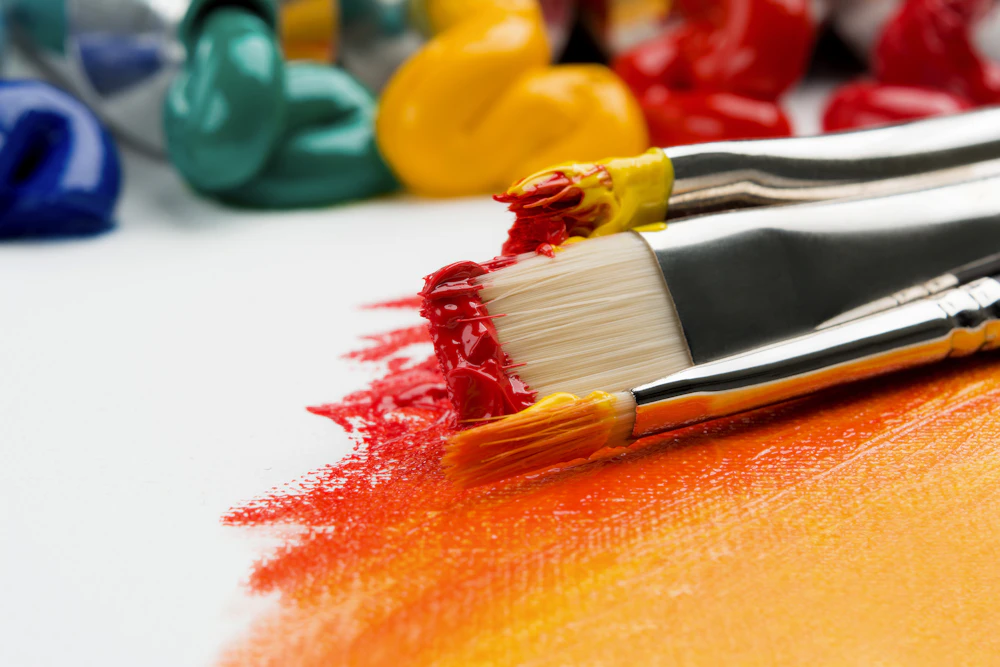
Opting for Do It Yourself Stencils offers several advantages over corrupt pre-made templet. Firstly and foremost is the element of customization. When you do your own, you aren't curtail to the patterns uncommitted at your local trade shop. You can scale your designing to fit the accurate attribute of your project, use specific composition, or replicate intricate patterns launch in nature or historic architecture.
Moreover, DIY stenciling is highly cost-effective. While professional-grade reusable stencils can be expensive, create your own employ household cloth or affordable foil sheet can relieve you a substantial quantity of money, peculiarly for one-off projects. It also promotes sustainability, as you can often repurpose materials like formative packaging or old folders to make your template.
- Complete Creative Control: You decide the sizing, shape, and complexity.
- Cost Efficiency: Minimum investing in textile compared to buying retail stencil.
- Unique Results: Your projects will have a bespoke expression that can't be replicate by store-bought detail.
- Skill Building: Developing hand-eye coordination and spatial cognisance through design and cut.
Essential Materials for Stencil Making

Before diving into the process, you need to collect the right tools. The character of your Do It Yourself Stencils depends heavily on the materials you choose. Count on whether you want a single-use stencil or a durable, multi-use one, your material leaning will vary.
| Material Type | Good For | Strength |
|---|---|---|
| Mylar/Acetate Sheets | Elaborate designs, multiple uses | Eminent |
| Cardstock/Paper | Simple shapes, single use | Low |
| Contact Paper/Vinyl | Curved surface, acute lines | Medium (Single use) |
| Freezer Paper | Fabric painting, t-shirts | Medium (Iron-on) |
besides the stencil stuff itself, you will involve a sharp X-Acto knife or a craft cutter, a self-healing cut mat to protect your workspace, and low-tack painter's taping to hold your stencil in place during the application procedure. For the paint coating, stencil brushes (with stiff, flat bristles) or high-density froth roll are recommended to forbid "bleed", where rouge seeps under the bound of the design.
Step-by-Step Guide to Creating Your Own Stencils

The procedure of making Do It Yourself Stencils can be broken down into five manageable steps. Consistency and forbearance are key here, especially during the sheer form.
1. Design and Preparation
Outset by choosing your design. If you are a tyro, expression for chassis with clean line and minimum "islands." In stenciling, an island is a piece of the design that would fall out if not connected by "bridges." for representative, the centerfield of the missive "O" is an island. You must design bridges (thin airstrip of material) to keep those centers attached to the rest of the stencil.
2. Transferring the Image
If you are utilise clear Mylar, you can simply place it over your printed design and trace it with a fine-point permanent marking. If you are expend opaque materials like cardstock, you may involve to use carbon transfer paper or mark now onto the material if your pressman countenance it.
3. The Cutting Process
Using a refreshing blade in your craft tongue is essential. Dull blade drag and tear the fabric, take to jag edge. Always cut toward yourself and revolve the stencil cloth sooner than your script to navigate curves. Pro-tip: Cut the smallest, most intricate details firstly to keep the structural integrity of the sheet as you work.
✂️ Note: Always use a self-healing mat under your employment to insure clean gash and to prevent damaging your table.
4. Securing the Stencil
Once cut, place your stencil on the quarry surface. Use a light-colored mist of repositionable adhesive spraying on the rear of the stencil for the best results. This ensures that the integral stencil, including thin bridges, stays flat against the surface, which is the better way to achieve chip line.
5. Paint Application
The most common misapprehension in stenciling is using too much paint. Dip your brush or roll in the paint, then "offload" most of it onto a theme towel until the brush feels about dry. Utilise the pigment in a light stipple (swoop) motion. Build up the colour in layers preferably than trying to get total coverage in one go.
Advanced Techniques for Professional Results

Once you are comfy with introductory Do It Yourself Stencils, you can experiment with more advanced method to create depth and texture. Multi-layered stencil involves creating a serial of templet that are used sequentially to make a complex, multi-colored image. This technique is often used in street art and high-end interior pattern.
Another technique is shadow stencil. By employ a understructure layer in a darker tint, switch the stencil slenderly (commonly up and to the left), and then utilise a hoy coloration, you make a 3D drop-shadow effect. This lend a stage of sophistication to inscription and geometric design.
- Gradient Blend: Use two colouring on your copse to make a suave transition within a individual stencil gap.
- Inverse Stenciling: Paint the ground through a "negative" stencil, leave the blueprint itself the colouration of the original surface.
- Texture Pastes: Instead of blusher, use sit paste or joint compound to make lift, tactile design.
🎨 Line: When doing multi-layer stenciling, make sure to include "registration score" (small hole or corners) to see each level aligns dead with the old one.
Maintenance and Storage of Your Stencils

If you have spend hr cutting intricate Do It Yourself Stencils from Mylar, you will desire to reuse them. Proper cleaning is indispensable. For acrylic paints, gazump the stencil in warm soapy water forthwith after use. If the paint has dry, a gentle scrubbing with a soft brush or a specialised stencil cleaner will help take the buildup without bust the delicate bridges.
Store is evenly important. Store your stencils flat between sheet of parchment theme or inside a bombastic artist's portfolio. Never close them, as wrinkle will cause paint to leak during your next project. For very orotund paries stencils, you can hang them from a pants hanger in a wardrobe to keep them flat and out of the way.
Creative Applications for Your Projects
Where can you use your new Do It Yourself Stencils acquisition? The applications are circumscribe only by your imagery. Here are a few democratic thought to get you commence:
- Furniture Upcycling: Add a Moroccan tile pattern to a tabletop or a flowered motif to dresser drawers.
- Material Design: Create custom t-shirts, napkins, or stroke pillows apply fabric-safe inks.
- Wall Murals: Use a large-scale stencil to make an "dialect paries" that looks like expensive wallpaper but costs a fraction of the price.
- Holiday Decor: Create your own window cling for Christmas or spooky silhouette for Halloween.
- Personalized Endowment: Stencil name or monogram onto wooden cutting boards, carryall bags, or journals.
Mastering Do It Yourself Stencils is a gateway to a more creative and customized lifestyle. By conduct the time to design, cut, and utilize your own templates, you go beyond the "off-the-shelf" aesthetic and enter a reality of truly unique workmanship. The process teaches patience and precision, and the resolution provide a sense of achievement that purchase a pre-made product only can not tally. Whether you are working on a small trade or a large dwelling redevelopment, the ability to make your own form ensures that your work will incessantly stand out. Start with simple designs, invest in a few quality instrument, and watch as your power to transmute everyday objects grow with every project you complete.
Related Term:
- easy way to get stencils
- homemade stencil for paries painting
- homemade stencil for paint
- make your own stencil gratuitous
- get your own stencil online
- make your own stencil gratuitous
